The Hormone Cafe

with Dr. Sarah Pederson

Chris Voeller

Postpartum Self-Care: Practical Strategies for Healing and Wellness

The postpartum period is a time of immense physical and emotional adjustment. Recovery doesn’t just happen automatically—it requires intentional care for your body, mind, and overall well-being. Focusing on sleep, nutrition, vaginal and breast health, exercise, and emotional support can help new parents recover safely and feel their best.

Read More »

Postpartum Anxiety and Depression: What You Need to Know

The postpartum period is often filled with joy, but it can also bring unexpected emotional challenges. While “baby blues” are common, affecting up to 80% of new mothers, postpartum anxiety and depression (PPAD) are more intense, persistent, and can impact daily functioning. Recognizing the difference, knowing prevention strategies, and understanding treatment options are key to supporting both recovery and long-term well-being.

Read More »

Episode 10: Navigating Postpartum Mental Health: Anxiety, Depression & Support

In this episode of The Hormone Café, Dr. Sarah Pederson, holistic OB-GYN and founder of Vera Health and Fertility in Westminster, Colorado, sits down with Nurse Practitioner Emily, a women’s health specialist who recently experienced postpartum herself. They discuss one of the most important and often underdiscussed aspects of postpartum care: postpartum anxiety and depression (PPAD). They cover how to recognize the difference between typical “baby blues” and more serious mental health concerns, strategies for prevention, treatment options (both holistic and medical), and how friends and family can provide support.

Read More »

Episode 9: Male Fertility 101: How to Improve Sperm Quality Naturally

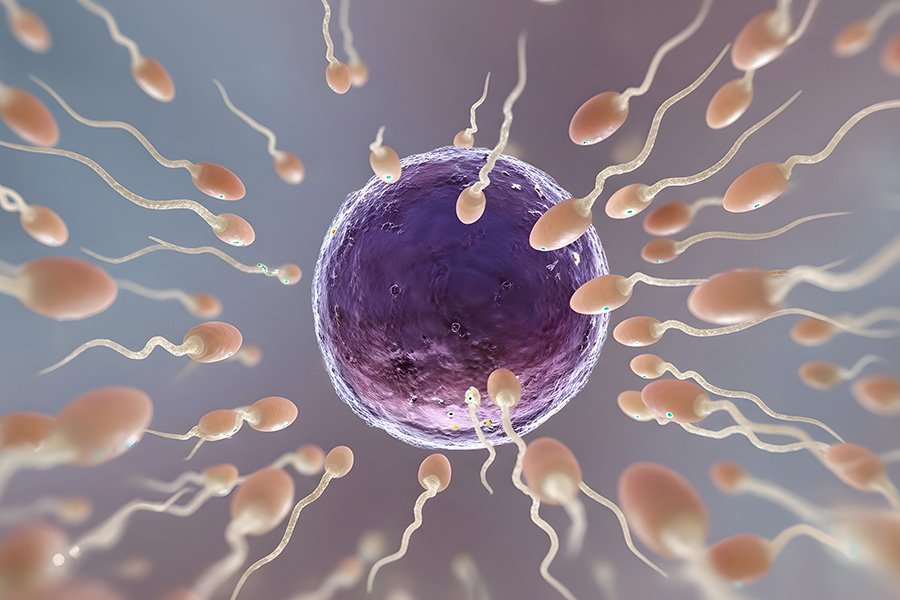
In this episode of The Hormone Café, Dr. Sarah Pederson teams up with Physician Assistant Sierra Wolfe to break down one of the most overlooked areas in fertility: men’s reproductive health. With male factors contributing to 30–60% of infertility cases, understanding sperm health is essential — yet most men never get evaluated.

Read More »

Episode 8: How to Improve Egg Quality Naturally – What Actually Works

Dr. Sarah shares the four main causes she sees most often and how to prevent them: poor egg quality, hormone imbalance, uterine lining issues, and inflammation. She walks you through how each of these areas affects fertility and offers practical, science-backed ways to strengthen your body, balance your hormones, and increase your chances of a healthy pregnancy. You’ll learn why one miscarriage is reason enough to do a full workup — and how small optimizations can make a big difference in future pregnancies.

Read More »

How to Improve Egg Quality Naturally and Effectively

Contrary to a common myth, egg quality can be improved. While women are born with a finite number of eggs, research and clinical experience show that lifestyle, nutrition, and targeted therapies can support ovarian function, optimize egg quality, and enhance fertility at any age.

Read More »

Episode 7: Can Miscarriages Be Prevented? What Every Woman Should Know

Dr. Sarah shares the four main causes she sees most often and how to prevent them: poor egg quality, hormone imbalance, uterine lining issues, and inflammation. She walks you through how each of these areas affects fertility and offers practical, science-backed ways to strengthen your body, balance your hormones, and increase your chances of a healthy pregnancy. You’ll learn why one miscarriage is reason enough to do a full workup — and how small optimizations can make a big difference in future pregnancies.

Read More »

Is Your Vaginal Microbiome Affecting Your Fertility? Understanding Vaginal Health

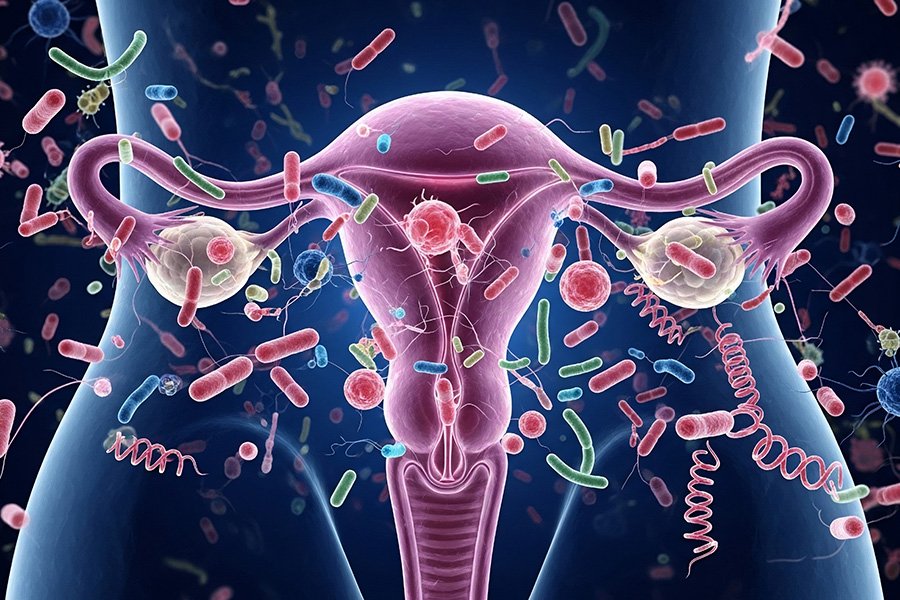
Vaginal health is one of the least discussed yet most essential components of a woman’s overall reproductive wellness. Your vagina is not an isolated structure—it is directly connected to the uterus, fallopian tubes, and abdominal cavity. When the vaginal environment is balanced, it supports fertility, hormonal health, comfort, and day-to-day well-being. When it is disrupted, even slightly, it can lead to inflammation, recurrent infections, discomfort, and fertility challenges.

Read More »