The Hormone Cafe

with Dr. Sarah Pederson

Women’s Health

PCOS Explained: How to Identify and Manage Polycystic Ovarian Syndrome

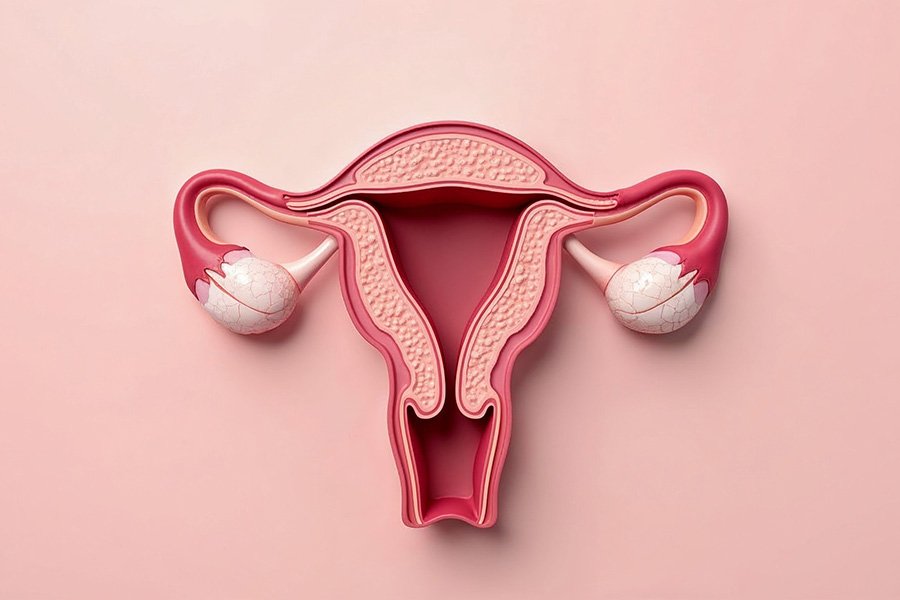
Polycystic ovarian syndrome (PCOS) is one of the most common hormonal disorders affecting people with ovaries, and it can have a significant impact on fertility, metabolism, and overall health. Understanding PCOS, recognizing the signs, and taking steps to manage it are essential for restoring hormonal balance and supporting reproductive wellness.

Read More »

Are You Ovulating? How to Spot Ovulation Dysfunction and Support Your Fertility

Ovulation is a cornerstone of reproductive health and fertility. It’s the process where a dominant follicle releases an egg, usually about 14 days before your next period. But ovulation isn’t just a single event—it starts months earlier as follicles are recruited and prepared for a healthy cycle. Understanding how ovulation works and spotting potential dysfunction is key for anyone trying to conceive or maintain hormonal balance.

Read More »

Understanding Painful Periods: Causes, Evaluation, and Relief

Painful periods are common—but that doesn’t mean they’re normal. While mild cramping can be expected, severe cycle pain that disrupts daily life often signals an underlying issue. Understanding the causes and getting a thorough evaluation can help reduce discomfort and protect your reproductive health.

Read More »

Postpartum Self-Care: Practical Strategies for Healing and Wellness

The postpartum period is a time of immense physical and emotional adjustment. Recovery doesn’t just happen automatically—it requires intentional care for your body, mind, and overall well-being. Focusing on sleep, nutrition, vaginal and breast health, exercise, and emotional support can help new parents recover safely and feel their best.

Read More »

Postpartum Anxiety and Depression: What You Need to Know

The postpartum period is often filled with joy, but it can also bring unexpected emotional challenges. While “baby blues” are common, affecting up to 80% of new mothers, postpartum anxiety and depression (PPAD) are more intense, persistent, and can impact daily functioning. Recognizing the difference, knowing prevention strategies, and understanding treatment options are key to supporting both recovery and long-term well-being.

Read More »