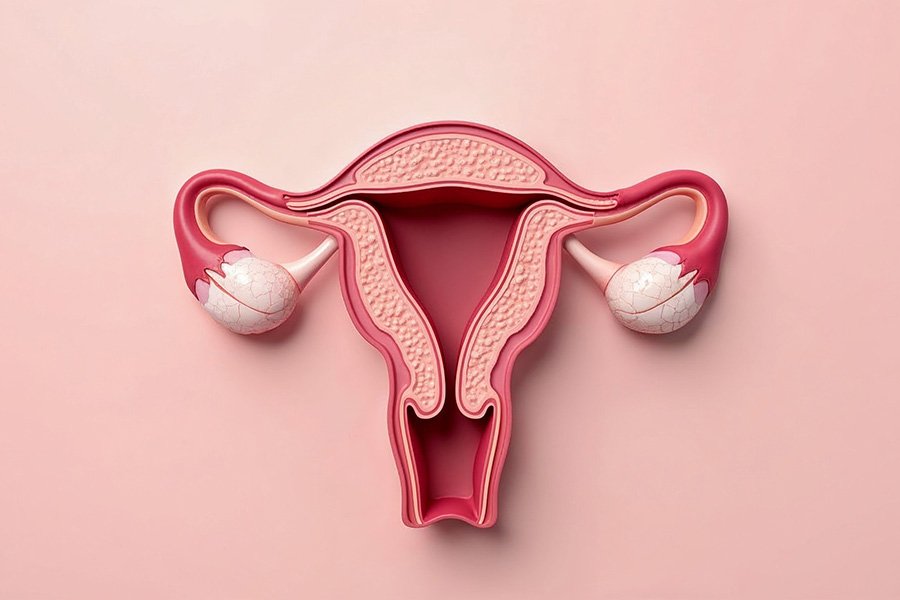
The uterine lining (endometrium) grows each month under estrogen, stabilizes with progesterone after ovulation, and sheds during your period. A healthy lining is essential for:
- Implantation of an embryo
- Placental development
- Preventing miscarriage
- Normal menstrual cycles
If the lining is too thin, too thick, inflamed, or scarred, fertility can be affected.
Red Flags for an Unhealthy Uterine Lining
Symptoms that may indicate a problem include:
- Very light periods
- Very heavy bleeding or large clots
- Spotting before periods
- Mid-cycle bleeding
- Recurrent miscarriages
- Unexplained infertility
- History of IUDs, D&C, or other uterine procedures
These signs often point to instability, inflammation, infection, or scar tissue.
How We Evaluate the Uterine Lining
Dr. Sarah explains a comprehensive diagnostic approach:
- Hormone testing before and after ovulation
- Ultrasound to measure lining thickness
- Blood flow evaluation
- Endometrial biopsy to check cell health
- Testing for chronic infection or inflammation
- Hysteroscopy to visually inspect the uterus
A healthy lining is typically 6–10 mm near ovulation with good blood flow.
Common Uterine Lining Diagnoses
Some causes of abnormal lining include:
- Thin lining
- Chronic endometritis (infection or inflammation)
- Scar tissue
- Polyps
- Fibroids
- Hormone imbalance
- Poor blood flow
Once identified, these conditions are treatable.
Treatment Options to Restore Lining Health
Treatment is individualized and may include:
- Antibiotics for infection
- Hysteroscopy to remove scar tissue or polyps
- PRP intrauterine therapy
- Estrogen therapy (oral or vaginal)
- Vaginal sildenafil (Viagra) to improve blood flow
- L-arginine and vitamin E
- Baby aspirin or pentoxifylline
- Nutritional therapy and targeted IV nutrients
The goal is to rebuild a strong, receptive lining ready for implantation.
Lifestyle & Nutrition Support
Whole-body health supports uterine lining recovery:
- Anti-inflammatory nutrition
- Adequate vitamins and antioxidants
- Regular cardio to improve uterine blood flow
- Stress management
- Proper hormone balance
Fertility is never just one organ—it’s the entire system working together.
Key Takeaways
- The uterine lining is essential for implantation and pregnancy
- Light or heavy periods can signal lining issues
- Hormone testing, ultrasound, and biopsy provide answers
- Infection, scar tissue, and poor blood flow are treatable
- Nutrition, supplements, and movement support healing
- Evaluating the lining can unlock unexplained infertility
Resources & Next Steps
If you’ve experienced light periods, heavy bleeding, recurrent miscarriages, or unexplained infertility, it may be time to evaluate your uterine lining.