
Thyroid Health Explained: Hormones, Metabolism, Fertility & Hashimoto’s
Your thyroid plays a central role in hormone balance, metabolism, fertility, and energy—understanding how to support it is key to overall health.

Your thyroid plays a central role in hormone balance, metabolism, fertility, and energy—understanding how to support it is key to overall health.
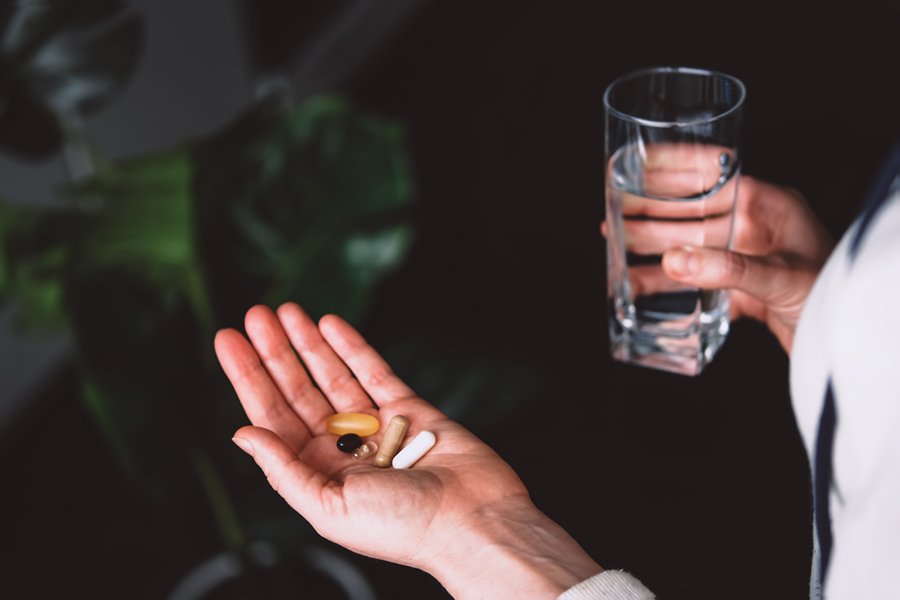
More supplements are almost never better – how a testing-first, nutrition-forward approach ensures supplements actually help rather than harm. The goal? Personalized, measured supplementation that supports your health and eventually allows you to come off supplements altogether.

Primary Ovarian Insufficiency (POI), also called premature menopause, occurs when ovarian function declines before age 40.

Menopause is a natural life transition—but feeling exhausted, foggy, and miserable is not inevitable.

Nutrition is the foundation of hormone production, fertility, and energy—but even people who eat “healthy” can be nutrient deficient.

Bioidentical hormones are often misunderstood and either overused or avoided altogether.

Perimenopause is one of the most misunderstood phases of a woman’s life. Many women are told their symptoms are “just stress,” “normal aging,” or something they simply have to push through.

PMS (premenstrual syndrome) and PMDD (premenstrual dysphoric disorder) affect many people, yet their symptoms are often dismissed as “normal.” Understanding the root causes and holistic treatment options can transform how you feel during the luteal phase and improve your overall cycle health.

Period pain can disrupt daily life, but nutrition and lifestyle choices can play a major role in reducing cramps and improving comfort.

PCOS (polycystic ovary syndrome) can make managing hormones, weight, and blood sugar challenging.