
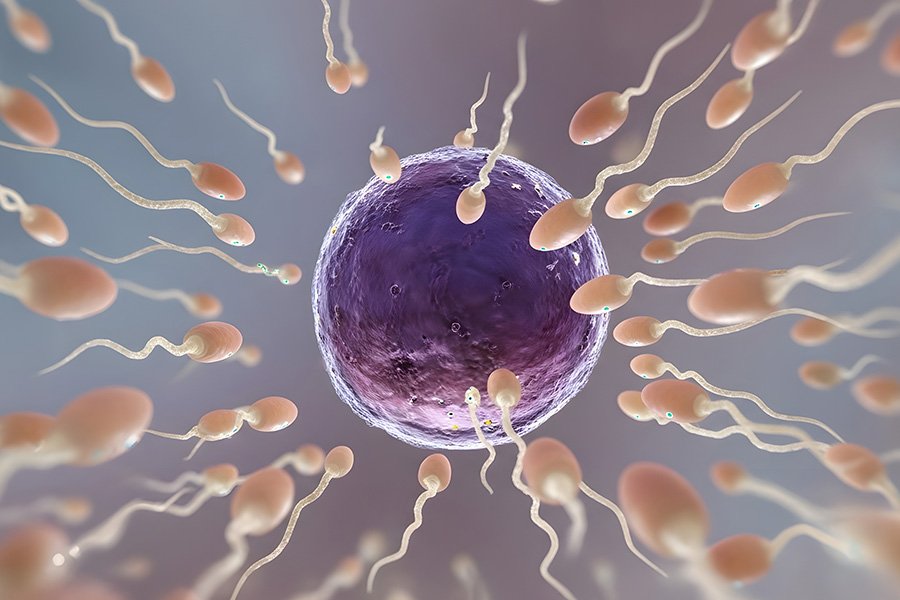
This guide breaks down testing, nutrition, habits, and medical considerations that can improve male fertility.
How Sperm Health Is Tested
A semen analysis is the definitive test to evaluate male fertility. It examines both the fluid and the sperm cells, assessing:
- Count: Total number of sperm present
- Motility: How well sperm move, and whether they can reach the egg
- Morphology: Sperm shape (head and tail) and indicators of DNA integrity
Accurate testing is essential, as older collection methods often underestimate sperm quality. Best practices include collecting samples at home or using sterile, non-spermicidal collection devices and delivering them promptly for analysis.
When Men Should Get Tested
Men should consider fertility testing if:
- Planning to conceive
- Experiencing difficulty conceiving after several months
- Concerned about age-related fertility decline
Sperm production is highly sensitive to environmental factors such as heat, toxins, and lifestyle habits. Fertility naturally declines with age, making early evaluation beneficial.
Nutrition for Optimal Sperm Health
Foods that support sperm quality:
- Oysters (zinc-rich)
- Salmon and other fatty fish (omega-3s)
- Fruits and vegetables (antioxidants reduce DNA damage)
Foods to limit:
- Processed and high-fat meats
- Fried or fast foods
- High-sugar diets
- Certain dairy products
Antioxidants from whole foods help reduce oxidative stress, which is a key contributor to abnormal sperm DNA.
Alcohol, Caffeine & Substances
- Alcohol: Limit to ≤2 drinks at a time, ≤7 per week. Avoid entirely when possible.
- Caffeine: Keep under 200 mg/day (≈2–3 cups of coffee).
- Nicotine & Vaping: Reduces blood flow to the testicles, lowering sperm count and quality.
- Marijuana: THC suppresses sperm production and impairs motility and morphology.
Sperm regenerate over roughly three months, so lifestyle changes can show improvements in a relatively short period.
Temperature Matters
Testicles need to remain cooler than core body temperature. Heat exposure can damage sperm. Avoid:
- Saunas and hot tubs
- Long, hot baths
- Tight pants or prolonged sitting
Cooling strategies:
- Specialized cooling underwear
- Ice packs or frozen peas over clothing (never on bare skin) for ~30 minutes/day
Exercise, Sleep, and Stress
- Exercise: Balance resistance training with cardio. Strength training supports testosterone; cardio aids endurance.
- Sleep: Even a single night of poor sleep can reduce testosterone significantly. Adequate sleep supports blood flow, sperm production, and hormone balance.
- Stress: Chronic stress constricts blood vessels, reducing blood flow to the testicles, impairing sperm production, testosterone levels, and overall reproductive health.
Testosterone and Male Fertility
External testosterone therapy can shut down natural sperm production, acting as a form of male contraception. Safer alternatives exist to support testosterone without compromising fertility.
Key Takeaways
- Male fertility is equally important as female fertility.
- Sperm health can improve significantly in just three months.
- Key strategies include:
- Clean, antioxidant-rich nutrition
- Limiting heat exposure and using cooling strategies
- Reducing alcohol, caffeine, nicotine, and marijuana
- Prioritizing sleep, stress reduction, and balanced exercise
- External testosterone can harm fertility—seek safe alternatives.
“Eat well, sleep well, manage stress, avoid heat, and your sperm will thank you.”
Next Steps
If you or your partner want to evaluate sperm health, improve male fertility, or receive personalized holistic guidance, the team at Vera Health & Fertility can help.