
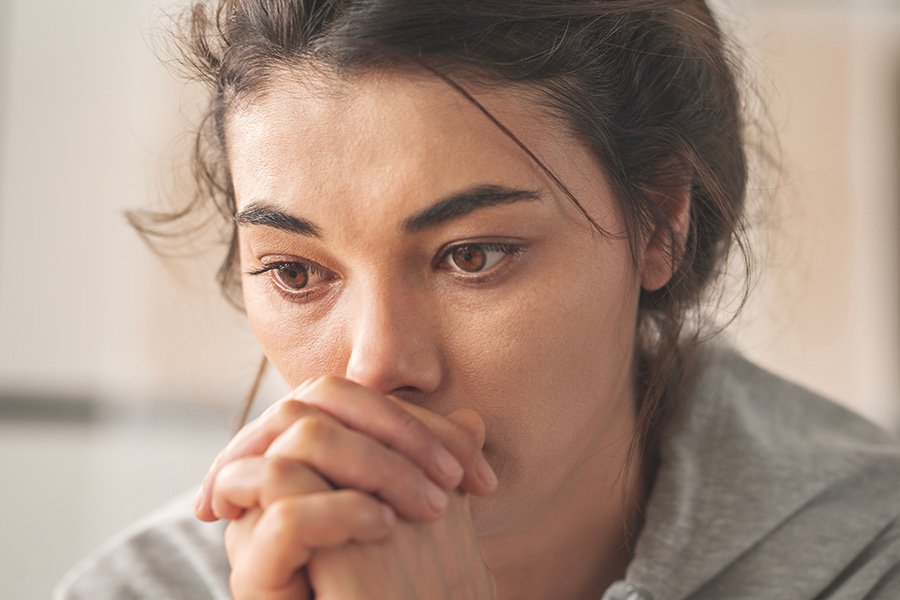
What Postpartum Anxiety and Depression Are
PPAD goes beyond typical mood swings after birth. Symptoms may include:
- Persistent anxiety or racing thoughts
- Sadness that lasts longer than the first two weeks
- Difficulty caring for yourself or your baby
- Feeling overwhelmed, hopeless, or disconnected
These symptoms are not a sign of weakness—they are medical conditions that deserve attention and support.
Prevention Strategies
Proactive planning can help reduce the risk or severity of PPAD:
- Before birth: Set realistic expectations, establish a strong support system, and plan postpartum logistics
- Nutrition & hydration: Maintain balanced meals, adequate fluids, and key nutrients
- Sleep & rest: Prioritize naps and establish a schedule whenever possible
- Partner communication: Divide responsibilities clearly and coordinate caregiving
A structured plan and supportive environment can make the transition smoother.
Treatment Options
Recovery from PPAD often requires a combination of strategies:
Lifestyle adjustments:
- Balanced nutrition and hydration
- Gentle, consistent exercise
- Scheduled self-care and rest
Mental health support:
- Therapy such as CBT, DBT, or couples counseling
- Perinatal mental health specialists
Medical support:
- Safe medications when appropriate (never stop abruptly without guidance)
- Hormone and thyroid testing, vitamin and nutrient evaluation
Combining these approaches addresses both physical and emotional contributors to PPAD.
Holistic and Lifestyle Support
- Build a supportive postpartum “village” of family, friends, and accountability partners
- Prepare for unexpected birth experiences such as C-section or induction
- Monitor hormone fluctuations and nutrient status to optimize recovery
Small adjustments and consistent support can significantly improve mood, energy, and overall wellness.
Supporting Others Postpartum
Friends and family play a crucial role, but approach with care:
- Speak from a place of compassion, not judgment
- Use language like: “I’ve noticed XYZ, and I want to make sure you’re okay”
- Give space for the new parent to seek help when ready
Creating a safe, empathetic environment encourages recovery without pressure.
Key Takeaways
- PPAD is common but can be debilitating if untreated
- Prevention begins before birth with planning, support, and self-care
- Treatment can include lifestyle changes, therapy, supplementation, and medication
- Friends and family can support recovery through empathy and discretion
- Proactive attention to hormones, thyroid function, and nutrient balance enhances well-being
Next Steps
If you or a loved one is experiencing postpartum anxiety or depression, professional support can make a meaningful difference. A personalized, holistic approach addresses both emotional and physical health for a safer, smoother recovery.