💪 Why Protein Matters
Protein is essential for much more than building muscle. It also supports:
- Hormone production
- Blood sugar balance
- Healthy metabolism
- Exercise recovery
- Maintaining lean muscle mass
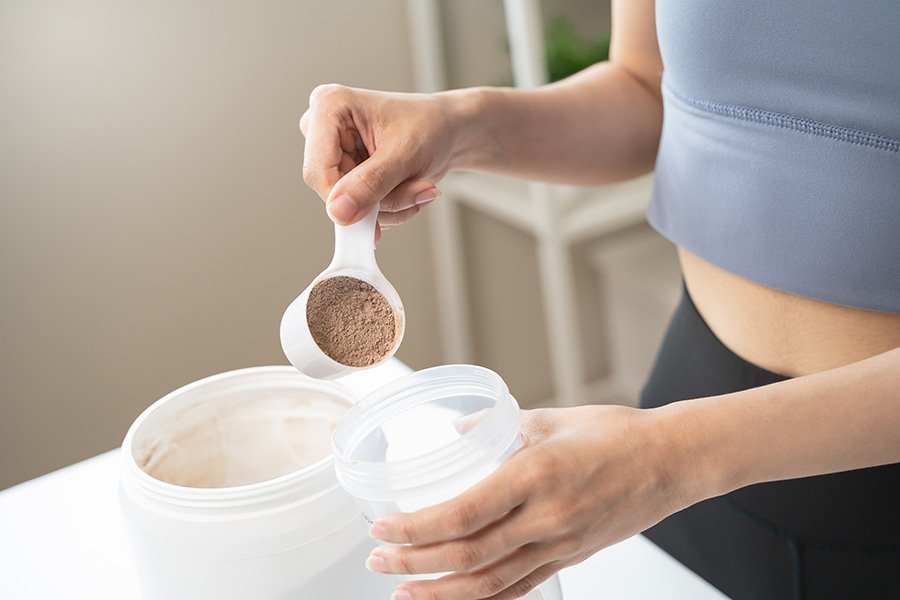
While whole foods should always be your primary source of protein, a protein powder can help fill the gaps when needed.
🥩 Animal vs. Plant Protein
Both animal-based and plant-based protein powders can be healthy options.
Whey protein isolate is highly researched and rich in essential amino acids, while plant-based proteins like pea, pumpkin seed, and brown rice can provide a complete amino acid profile when combined properly.
The best choice depends on your dietary preferences, digestive health, and personal goals.
🔍 What to Look for in a Protein Powder
When shopping for a protein powder, look for one that:
- Contains 20–30 grams of protein per serving
- Uses a quality protein source
- Is third-party tested for heavy metals and contaminants
- Has a short, recognizable ingredient list
- Contains minimal additives
The simpler the ingredients, the better.
🚫 Ingredients to Avoid
Many protein powders contain ingredients that don’t need to be there.
Watch for:
- Artificial sweeteners
- Artificial flavors
- Seed oils
- Excess fillers
- Unnecessary additives
Choosing a minimally processed protein powder can help you know exactly what you’re putting into your body.
📊 Are You Getting Enough Protein?
Protein needs vary depending on your age, activity level, and health goals.
You may benefit from more protein if you’re:
- Strength training
- Trying to build muscle
- Working toward fat loss
- In perimenopause or menopause
Aim to spread your protein intake throughout the day by including protein with every meal and snack.
Weekly Challenge
Take a look at the protein powder you’re currently using. Read the ingredient label, calculate your daily protein needs, and make sure you’re choosing a product with simple, high-quality ingredients that supports your health goals.
Key Takeaways
- Whole foods should be your primary source of protein.
- Choose protein powders with minimal, recognizable ingredients.
- Look for third-party testing for heavy metals and contaminants.
- Avoid artificial sweeteners, fillers, and unnecessary additives.
- Protein supports muscle health, metabolism, hormones, and blood sugar balance.
Resources & Next Steps
If you’re unsure how much protein you need or want personalized nutrition guidance, the team at Vera Health & Fertility can help you create a nutrition plan tailored to your health, fertility, and hormone goals.