
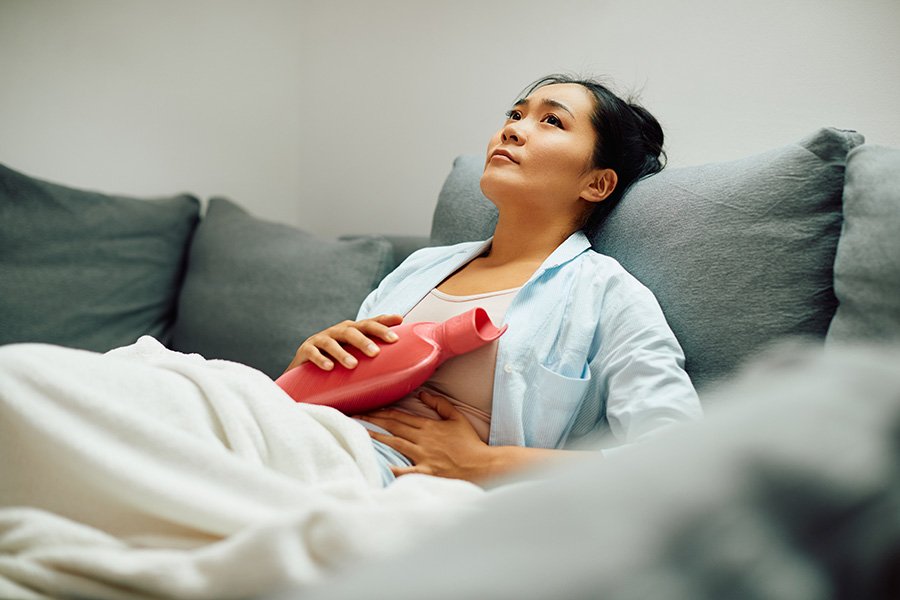
If you’ve ever wondered, “Is this pain normal?” or “Could endometriosis be affecting my fertility?” — this guide is for you.
What Is Endometriosis?
Endometriosis occurs when tissue similar to the uterine lining grows outside the uterus. These lesions can develop on:
- Ovaries
- Fallopian tubes
- Pelvic ligaments
- Bladder or bowel
- Diaphragm
Like the lining of the uterus, this tissue responds to hormonal changes—leading to inflammation, scarring, pain, and potential fertility challenges.
What Causes Endometriosis?
Multiple factors contribute to the development of endometriosis:
- Genetics
- Autoimmune dysfunction
- Retrograde menstruation
- Hormonal imbalances
- Chronic inflammation
Endometriosis is not caused by lifestyle choices, but lifestyle modifications can play an important role in managing symptoms and inflammation.
Symptoms and Red Flags
Endometriosis can present differently in each woman. Common symptoms include:
- Painful, heavy, or debilitating periods
- Pelvic pain outside of menstruation
- Bloating or digestive discomfort (“endo belly”)
- Pain during intercourse
- Fatigue
Importantly, up to 50% of people with endometriosis experience no pain and may only encounter fertility challenges.
Red flags that should never be ignored:
- Periods severe enough to interfere with work, school, or daily life
- Pain that doesn’t respond to standard medications
- Unexplained infertility
- Monthly bloating or discomfort that feels hormonal
Painful cycles are common, but they are not normal.
Why Endometriosis Is Hard to Diagnose
Endometriosis is often missed or dismissed in women’s healthcare. Standard imaging (ultrasound, CT, MRI) frequently fails to detect lesions, particularly in early stages.
The most accurate way to diagnose endometriosis remains laparoscopic or robotic surgery, allowing direct visualization and removal of lesions.
Newer non-surgical options, such as the ReceptivaDx biopsy, can help identify inflammation associated with endometriosis—especially in cases of infertility.
A Holistic Approach to Managing Endometriosis
Effective management often requires a comprehensive, root-cause approach, including lifestyle, nutrition, hormone optimization, and advanced surgical techniques when necessary.
Diet and Lifestyle Foundations
- Anti-inflammatory diet
- Balanced hormones
- Stress and sleep support
- Gentle, consistent movement
Key Supplements for Endometriosis
- Omega-3 fatty acids
- NAC (N-acetyl cysteine)
- Curcumin
These nutrients can help reduce inflammation and improve symptoms. For some patients, bioidentical hormones may also support bleeding regulation and pain management.
Surgical Treatment: Restorative, Not Just Reactive
For moderate to severe endometriosis, surgery may be the most effective option. Robotic excision surgeryallows for:
- Precise removal of lesions
- Restoration of healthy anatomy
- Reduced inflammation
- Improved fertility outcomes
Additional therapies can support healing after surgery, including:
- PRP (platelet-rich plasma) to reduce scarring and inflammation
- Post-operative care plans to prevent recurrence
Surgery isn’t only about removing lesions—it’s about restoring function, reducing inflammation, and preventing future damage.
Key Takeaways
- Endometriosis is common, but painful periods are not normal.
- Many women with endometriosis experience infertility without significant pain.
- Lifestyle, diet, and supplements can help manage symptoms.
- Specialized surgery can be highly effective for restoring reproductive health.
- True healing means addressing root causes and restoring function, not just removing lesions.
You don’t have to live with pain or uncertainty—answers and effective options are available.
Next Steps
If you suspect endometriosis or are seeking personalized, restorative treatment, the team at Vera Health and Fertility can help you find relief, improve fertility, and restore quality of life.