🩸 Iron Deficiency Is Not the Same as Anemia
Anemia occurs when you do not have enough healthy red blood cells or hemoglobin. However, your iron stores can become depleted before those values fall outside the normal range.
This means you can be iron deficient without being anemic. A complete blood count alone may not provide the full picture.
⚠️ Common Symptoms of Low Iron
Iron helps red blood cells carry oxygen throughout the body. It also supports energy production and neurological function.
Possible symptoms of iron deficiency include:
- Fatigue and weakness
- Hair shedding
- Feeling cold
- Headaches
- Shortness of breath
- Heart palpitations
- Difficulty exercising
- Brain fog
- Irritability or low mood
- Restless legs
- Craving ice
🔍 What Causes Iron Deficiency?
Heavy or prolonged menstrual bleeding is a common cause of iron deficiency in women.
Other possible causes include:
- Fibroids or uterine polyps
- Irregular ovulation
- Thyroid or hormonal concerns
- Pregnancy
- Restrictive diets
- Vegetarian or vegan diets without careful iron planning
- Gastrointestinal bleeding
- Celiac disease, H. pylori, SIBO, or poor nutrient absorption
Replacing iron is important, but identifying and treating the underlying cause is essential.
🧪 Which Labs Should Be Checked?
A complete iron evaluation may include:
- Complete blood count, or CBC
- Ferritin
- Full iron panel
- Transferrin saturation
- Inflammatory markers when appropriate
Ferritin is an important marker of stored iron. However, inflammation can raise ferritin and make iron stores appear healthier than they are. Your provider should evaluate your symptoms and complete lab results together.
🤰 Iron During Pregnancy
Iron requirements increase during pregnancy because the body produces more blood while supporting the placenta and growing baby.
Low iron can sometimes be mistaken for normal pregnancy fatigue. Monitoring ferritin throughout pregnancy can help identify a deficiency before delivery.
🥩 How to Support Healthy Iron Levels
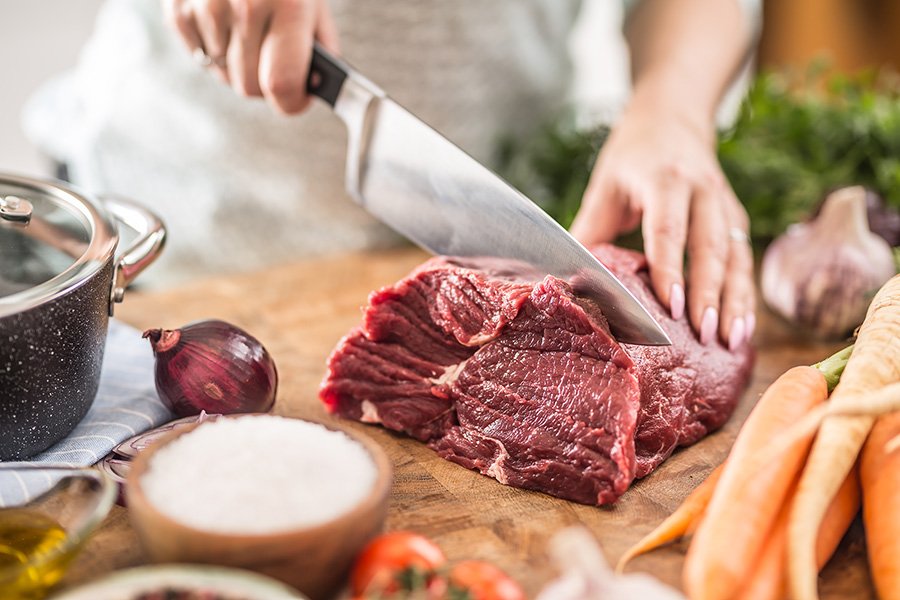
Sources of heme iron, which is generally absorbed more efficiently, include:
- Red meat
- Shellfish
- Chicken
- Organ meats
Plant-based sources include:
- Lentils and beans
- Tofu
- Spinach and kale
- Pumpkin seeds
Pairing iron-rich foods with vitamin C foods, such as bell peppers, broccoli, or citrus fruit, may help improve absorption.
💊 Oral Iron vs. IV Iron
Some patients may benefit from oral iron supplements. Others may need IV iron because of severe deficiency, poor absorption, side effects, or an inadequate response to oral supplements.
Iron treatment should be personalized and monitored by a healthcare professional. Follow-up testing is necessary to confirm that iron stores are improving.
Weekly Challenge
If you have symptoms of iron deficiency or have never had your ferritin checked, ask your healthcare provider whether you need:
- A complete blood count
- Ferritin
- A full iron panel
If your iron is low, work with your provider to identify the root cause and create a treatment and follow-up plan.
Key Takeaways
- You can be iron deficient without being anemic.
- Ferritin is an important marker of stored iron.
- Heavy periods, pregnancy, diet, and poor absorption can contribute to low iron.
- Normal ferritin may not rule out iron deficiency when inflammation is present.
- Treatment may include dietary changes, oral supplements, or IV iron.
- Finding and treating the root cause is essential.
- Iron levels should be retested to confirm that treatment is working.
Resources & Next Steps
If you are experiencing fatigue, hair loss, brain fog, heavy periods, shortness of breath, or other possible signs of iron deficiency, Vera Health & Fertility can provide a comprehensive evaluation and personalized treatment plan.