What the Vaginal Microbiome Is and Why It Matters
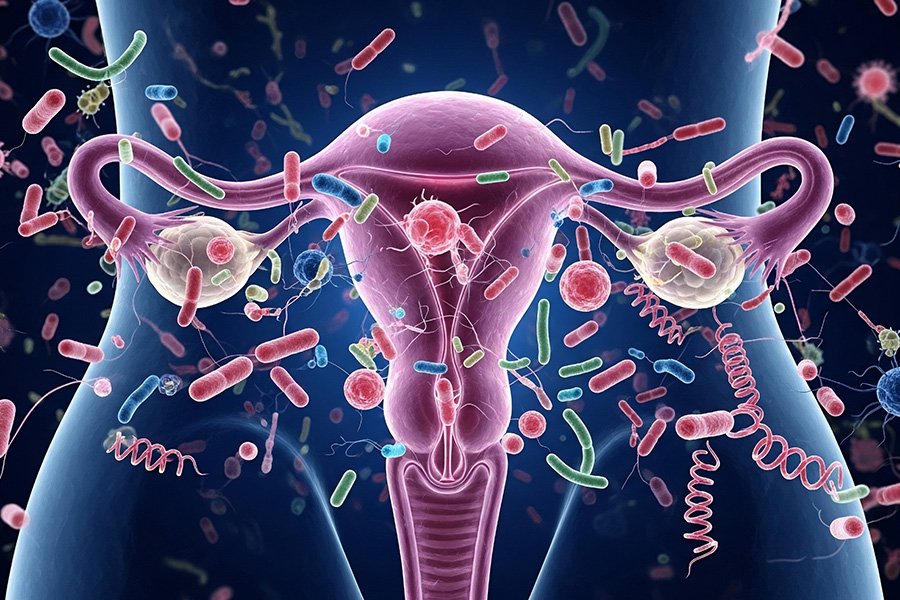
The vaginal microbiome is a delicate ecosystem of bacteria that protects against infection, maintains pH, and supports reproductive function. A healthy microbiome helps:
- Defend against harmful bacteria and yeast
- Support healthy cervical mucus, which is essential for sperm survival
- Reduce inflammation within the reproductive tract
- Promote implantation and early pregnancy success
- Maintain daily comfort without odor, irritation, or dryness
When this ecosystem becomes imbalanced, it can create inflammation that spreads to the uterus and fallopian tubes, disrupt hormones, and interfere with fertility.
Signs Your Vaginal Microbiome May Be Out of Balance
Many women normalize their symptoms, assuming they are just part of being a woman. In reality, these can point to underlying microbiome disruption:
- Dryness or discomfort with intercourse
- Itching (internal or external)
- Changes in odor, especially around menstruation
- Spotting between cycles or after intercourse
- Excessive, thick, or minimal cervical mucus
- Recurrent pregnancy loss or unexplained infertility
- Repeated BV or yeast infections
Even mild symptoms that occur repeatedly merit evaluation.
How Vaginal Health Is Tested
Traditional OB-GYN testing often screens for only one or two organisms, missing deeper imbalances. Comprehensive microbiome testing evaluates 25+ species, including:
- BV-associated bacteria
- Multiple yeast strains
- Ureaplasma
- Mycoplasma
- Prevotella and other biofilm-forming organisms
Testing can be performed in-clinic or with an easy at-home kit, providing a full view of vaginal health rather than a narrow snapshot.
Treatment, Retesting, and Why Partner Care Matters
Effective treatment requires both clearing harmful organisms and rebuilding a healthy microbiome.
Medical Approaches May Include:
- Targeted oral or vaginal antibiotics (when indicated)
- Probiotics to restore protective Lactobacillus species
- Boric acid for pH balance and yeast/BV support
- Follow-up testing to confirm complete resolution
Partner treatment is often essential. Many organisms associated with BV and microbiome disruption can be shared, and untreated partners can reintroduce bacteria even after treatment.
Holistic Strategies to Support Long-Term Vaginal Health
Rebuilding the microbiome requires more than a prescription. Supportive habits help maintain a healthy, resilient vaginal environment:
- Avoiding harsh soaps, douching, and DIY cleansing remedies
- Using pH-balanced lubricants (e.g., Refresh pH Gel)
- Maintaining balanced estrogen levels for healthy vaginal tissue
- Reducing sugar and refined carbohydrates to prevent yeast overgrowth
- Supporting gut health, since gut and vaginal microbiomes are closely connected
These practices help stabilize pH, reduce inflammation, and support hormonal balance.
When to Consider Vaginal Health Testing
Testing is recommended if you experience:
- Persistent odor, itching, dryness, or discomfort
- Difficulty conceiving after 3+ months
- A history of miscarriage or recurrent loss
- Repeated BV or yeast infections
- New or unexplained symptoms
Testing identifies specific organisms, guides targeted treatment, and ensures full resolution.
Why Vaginal Health Matters for Fertility
A healthy vaginal microbiome is foundational for conception. Imbalances can:
- Reduce sperm survival
- Disrupt cervical mucus quality
- Increase inflammation in the uterus
- Interfere with implantation
- Contribute to early pregnancy loss
Restoring microbial balance creates a supportive environment for conception and early pregnancy.
Key Takeaways
- Vaginal health plays a central role in fertility, hormones, and overall reproductive well-being.
- Many infections or imbalances have no obvious symptoms.
- Retesting after treatment is essential to confirm healing.
- Partner treatment can prevent recurrence and improve outcomes.
- Supporting the microbiome holistically leads to long-term vaginal wellness.
- A healthy vagina is one you rarely have to think about.
Next Steps
If you are dealing with recurrent infections, dryness, unexplained symptoms, or fertility challenges, the team at Vera Health and Fertility provides comprehensive testing and individualized treatment plans to fully restore vaginal microbiome health.