
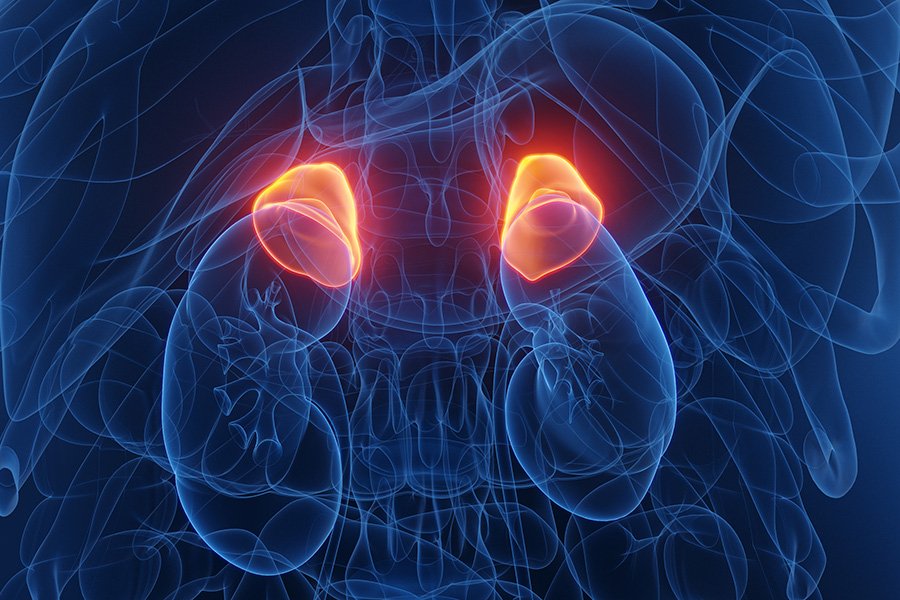
What the HPA Axis is
Dr. Sarah Pederson explains how cortisol should naturally function, what patterns indicate imbalance, and simple daily habits to support your adrenals and circadian rhythm. Understanding your cortisol rhythm can be a powerful step toward improving energy, hormone balance, and fertility.
HPA Axis stands for:
- Hypothalamus
- Pituitary
- Adrenal glands
This communication pathway between the brain and adrenal glands regulates:
- Stress response
- Blood sugar balance
- Sleep cycles
- Reproductive hormones
When this system is dysregulated, cortisol patterns shift, affecting hormone production and overall health.
1️⃣ Why Cortisol Matters for Hormone Health
Chronic stress and cortisol imbalance can impact:
- Ovulation and reproductive hormones
- Estrogen and progesterone production
- Thyroid function
- Blood sugar regulation
- Inflammation levels
- Sleep quality
When the body perceives ongoing stress, it prioritizes survival over reproduction, which can suppress hormone production and disrupt fertility.
2️⃣ The Ideal Cortisol Rhythm
Healthy cortisol levels follow your natural circadian rhythm:
- Morning: Cortisol rises sharply within an hour of waking → helps you feel alert and energized
- Midday: Cortisol gradually declines
- Evening: Cortisol becomes very low
- Night: Low cortisol allows melatonin to rise → supports restful sleep
Think of cortisol like the sun—rising in the morning and setting in the evening.
3️⃣ Common Cortisol Imbalance Patterns
High Cortisol:
- Cortisol stays elevated all day
- Symptoms: wired but tired, anxiety, difficulty falling asleep, frequent night waking, irritability
- Drivers: chronic stress, overtraining, excess caffeine, poor sleep, blood sugar swings
Low Cortisol:
- Cortisol consistently low due to prolonged stress
- Symptoms: fatigue, difficulty waking, brain fog, low motivation, dizziness, salt cravings, afternoon crashes
Flat Cortisol Curve:
- Cortisol low all day but still follows rhythm
- Symptoms: persistent fatigue, low stress resilience, burnout, poor recovery, low focus
Inverted Cortisol Rhythm:
- Low in the morning, high at night
- Symptoms: daytime exhaustion, nighttime energy surge, trouble falling asleep, waking 1–3 AM
- Common in women with chronic stress, sleep disruption, or blood sugar imbalance
4️⃣ How Cortisol Testing Works
Cortisol patterns can be evaluated using:
- Four-point salivary cortisol tests
- DUTCH hormone testing
These tests measure cortisol at multiple times during the day to guide personalized strategies.
5️⃣ Morning Habits to Support Adrenal Health
Get Morning Light: 5–10 minutes of natural light within 30 minutes of waking → supports circadian rhythm
Eat Protein Within 1 Hour of Waking: 20–30 g to stabilize blood sugar and cortisol
- Eggs
- Greek yogurt
- Cottage cheese
- Protein smoothies
- Chia pudding with nuts or seeds
Delay Caffeine: Wait 60–90 minutes after waking → prevents exaggerated cortisol spikes
6️⃣ Midday Habits for Stable Energy
Balance Your Meals: Protein + fiber-rich carbs + healthy fats → maintain blood sugar and prevent cortisol spikes
Take Short Stress Breaks:
- 5-minute walk
- Breathing exercises
- Stretching or light yoga
- Step outside for fresh air
Exercise Appropriately: Moderate exercise supports cortisol balance
- Strength training
- Walking
- Pilates or yoga
- Moderate-intensity workouts
Avoid excessive HIIT or intense cardio if fatigued or under-fueled
7️⃣ Evening Habits for Lower Cortisol
Reduce Evening Stimulation:
- Dim lights 1–2 hours before bed
- Reduce screen exposure
- Avoid late-night work or caffeine
Support Your Nervous System:
- Magnesium (400–600 mg)
- Reading or journaling
- Stretching
- Warm or Epsom salt baths
These practices lower cortisol and allow melatonin to rise naturally, promoting restorative sleep.
Key Takeaways
- Cortisol is essential for energy, sleep, and hormone balance
- Chronic stress can disrupt the HPA axis and hormone production
- Healthy cortisol rises in the morning and falls at night
- Blood sugar balance, morning light, and sleep routines support adrenal health
- Small daily habits can restore a healthy stress response over time
Resources & Next Steps
If you experience fatigue, sleep disruption, or hormone imbalance, testing cortisol levels can provide valuable insight into your body’s stress response.