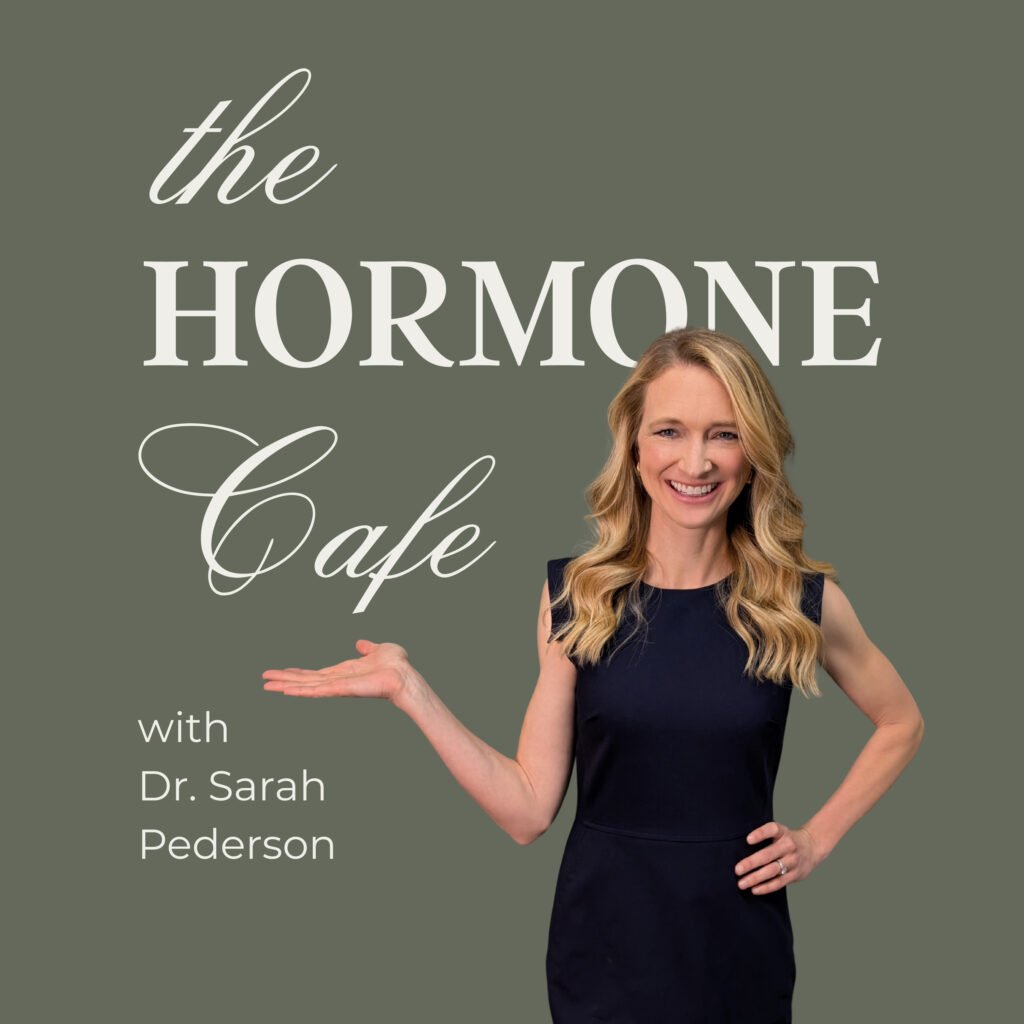
In this episode of The Hormone Café, Dr. Sarah Pederson breaks down how exercise impacts hormone balance and why more is not always better.
While movement is essential for overall health, the wrong type, intensity, or frequency of exercise can actually disrupt hormones, slow metabolism, and affect fertility.
This episode focuses on how to use exercise strategically to support cortisol, blood sugar, and reproductive hormones, without over-stressing the body.
In This Episode, You’ll Learn
🏃♀️ Exercise Is a Stress Signal
Exercise can be beneficial, but it is still a form of stress on the body.
When balanced properly, it can:
- Increase serotonin and oxytocin
- Support mood and energy
- Improve metabolic health
But too much intensity or frequency can:
- Spike cortisol
- Lead to fatigue and burnout
- Cause weight retention
- Disrupt sleep
The goal is to feel energized after a workout, not depleted.
⚖️ The 3 Key Hormone Systems Affected by Exercise
1️⃣ Cortisol (Stress Hormone)
Excessive high-intensity workouts can keep the body in fight-or-flight mode.
This may lead to:
- Stubborn weight
- Poor recovery
- Sleep disturbances
Your body loses weight and balances hormones best when it feels safe and nourished.
2️⃣ Insulin & Blood Sugar
Overtraining or underfueling can worsen blood sugar control.
Signs of imbalance include:
- Blood sugar rising during workouts
- Energy crashes
- Feeling “hangry” after exercise
To support stable glucose:
- Avoid fasted workouts
- Eat protein + carbohydrates before exercise
- Match fuel to workout intensity
3️⃣ Reproductive Hormones
Over-exercising without enough fuel can suppress hormone production.
This may cause:
- Irregular or missed periods
- Delayed ovulation
- Low estrogen and testosterone
- Hypothalamic amenorrhea
Movement should support hormone production, not deplete it.
🚨 Signs Your Workout May Be Hurting Your Hormones
- Irregular or missing cycles
- Extreme fatigue
- Poor sleep
- Weight plateau or gain despite exercise
- Increased anxiety
These are indicators that your routine may need adjusting.
💪 What Balanced Exercise Looks Like
A hormone-friendly routine includes:
- Strength training: 2 to 3 times per week (20 to 30 minutes)
Supports muscle mass, insulin sensitivity, and testosterone - Walking daily
Especially within an hour after meals to stabilize blood sugar and cortisol - Cardio: 1 to 2 times per week
Avoid excessive long-duration or daily HIIT sessions - Recovery days
Incorporate yoga, stretching, or low-impact movement to support the nervous system
Consistency and balance are more important than intensity.
🥗 Fueling Your Workouts Properly
Undereating is one of the biggest mistakes when it comes to hormone health.
Before workouts:
- Eat protein + healthy carbohydrates
- Increase intake for longer or more intense sessions
After workouts:
- You should feel satisfied, not starving
Daily target:
Proper fueling helps regulate cortisol and stabilize blood sugar.
🧬 Personalizing Your Exercise
Your ideal routine depends on your hormone profile:
- High testosterone or insulin resistance
More cardio and consistent movement - Low hormone levels
Focus on gentle strength training and avoid excessive cardio - High stress individuals
Prioritize low-impact workouts and recovery
Exercise should be tailored to your body, not a one-size-fits-all plan.
🧘♀️ Supporting Recovery & Sleep
Recovery is essential for hormone balance.
Helpful practices include:
- Gentle yoga or stretching
- Especially before bed to lower cortisol
- Supporting melatonin and sleep quality
Avoid high-intensity workouts late at night.
Key Takeaways
- Exercise can support or disrupt hormones depending on how it’s done
- Overtraining and underfueling are common causes of imbalance
- Walking, strength training, and recovery are foundational
- Avoid daily HIIT and fasted workouts
- Balance and consistency matter more than intensity
- Your workout should leave you feeling energized, not exhausted

 Located in Westminster, Colorado
 Learn more or book a consultation: https://verafertility.com/
 Connect on Instagram & TikTok: @verafertility
 Listen to all episodes of The Hormone Café Podcast on Spotify, Apple Podcasts, and YouTube
 About The Hormone Café