
The Hormone Cafe
with Dr. Sarah Pederson
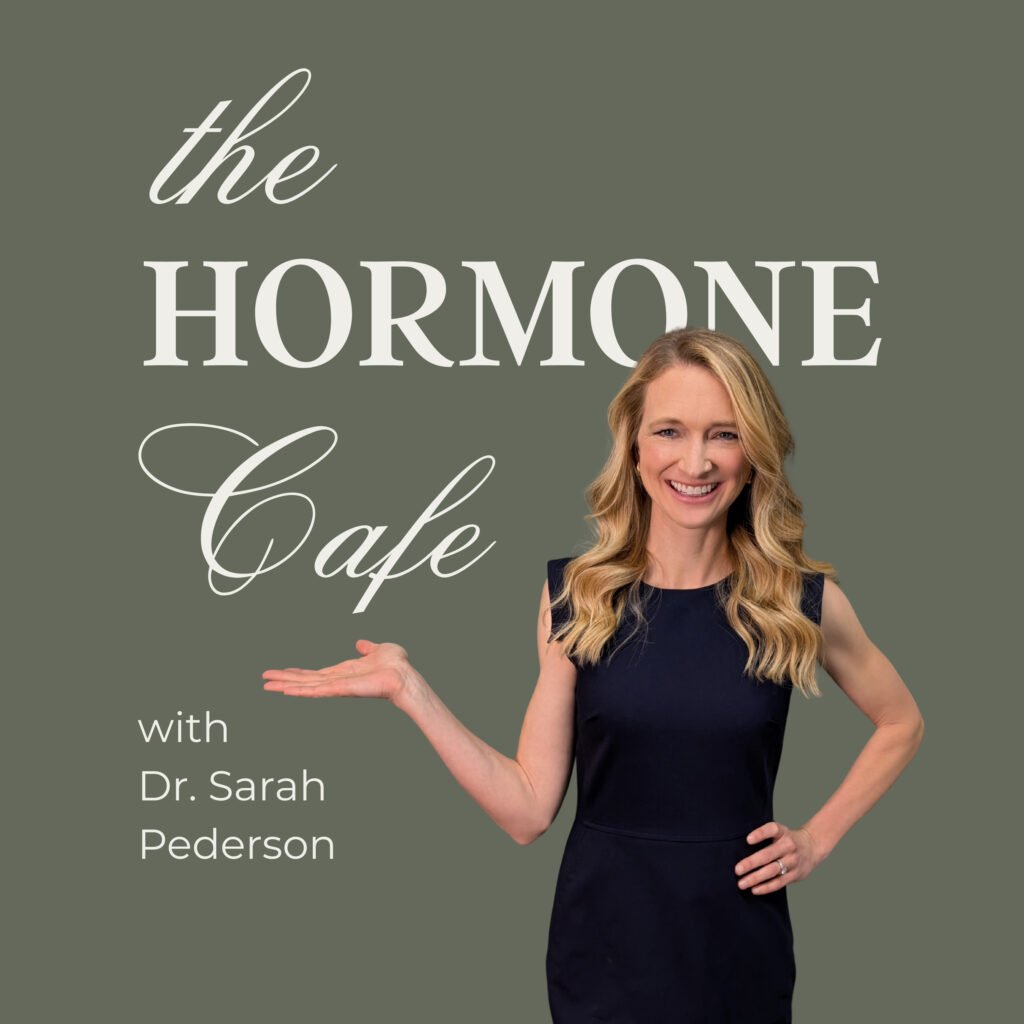
In this episode of The Hormone Café, Dr. Sarah Pederson, holistic OB-GYN and founder of Vera Health and Fertility in Westminster, Colorado, explains the ovulation process, how to know if you are ovulating, types of ovulation dysfunction, and strategies to treat ovulatory issues.
In This Episode, You’ll Learn:
💡 What is Ovulation?
- The process where a dominant follicle releases an egg, usually around 14 days before the next period.
- Ovulation starts months before the egg is released, as follicles are recruited over a 3–4 month period.
- Steps:
- Brain hormone FSH stimulates follicle growth.
- Follicle produces estrogen, promoting its own growth and triggering an LH surge.
- LH surge causes the follicle to rupture, releasing the egg.
- Corpus luteum forms from the ruptured follicle, producing progesterone and estrogen for the luteal phase (~14 days).
🩺 How Do You Know if You Are Ovulating?
- Regular periods usually suggest ovulation, but bleeding can occur without ovulation (anovulatory bleed).
- Confirmation methods:
- Blood tests: LH surge + post-ovulation progesterone >4 ng/mL
- Urine monitors: LH + PDG (progesterone metabolite) rise
- Ultrasound: Follicle growth, rupture, and corpus luteum formation
⚠️ Types of Ovulation Dysfunction
- Anovulation: No ovulation; common in low hormones, PCOS, excessive exercise, or under-nutrition
- Oligo-ovulation: Ovulates irregularly; sometimes seen in perimenopause or ovarian insufficiency
- LUF Syndrome (Luteinized Unruptured Follicle): Follicle develops but does not rupture; often linked to endometriosis or ovarian cysts
- Luteal Phase Defect: Corpus luteum does not produce enough hormones; luteal phase <12 days; may be due to nutritional deficiencies
🌿 Treatment of Ovulation Dysfunction
- Address root causes: Nutrition, stress, sleep, inflammation, and underlying endocrine issues (thyroid, prolactin, adrenal health)
- Support hormone balance: Foods and supplements that support estrogen and progesterone production
- Medications (when needed):
- Ovulation induction (Clomid, Letrozole)
- Gonadotropins (FSH or LH injections) to stimulate follicle growth
- Ongoing cycle tracking: Ensures high-quality ovulation for current and future follicles
Key Takeaways:
- Ovulation is essential for fertility and cycle regularity.
- Irregular cycles or poor-quality ovulation can be caused by hormonal imbalances, stress, nutrition, or structural issues.
- Diagnosis involves blood, urine, and/or ultrasound to confirm ovulation.
- Treatments focus on addressing root causes, supporting hormone production, and sometimes using medications to ensure a healthy ovulatory cycle.
- Cycle-to-cycle hormone balance is crucial for recruiting healthy eggs over time.
💡 Resources & Next Steps
Dr. Sarah and her team at Vera Health and Fertility can evaluate ovulation and create a personalized plan for hormone optimization and fertility support.
📍 Located in Westminster, Colorado
🌐 Learn more or book a consultation: https://verafertility.com
📧 Connect on Instagram & TikTok: @verafertility
🎧 Listen to all episodes of The Hormone Café Podcast on Spotify, Apple Podcasts, and YouTube
☕ About The Hormone Café
The Hormone Café is your cozy corner for real conversations about women’s health, fertility, and hormone balance. Hosted by Dr. Sarah Pederson, holistic OB-GYN and founder of Vera Health and Fertility, each episode helps you understand your body, balance your hormones, and live in sync with your natural rhythm.
Join our newsletter for gentle, holistic wellness tips and updates on new offerings, events, and resources to support your health journey
Recent Episodes